




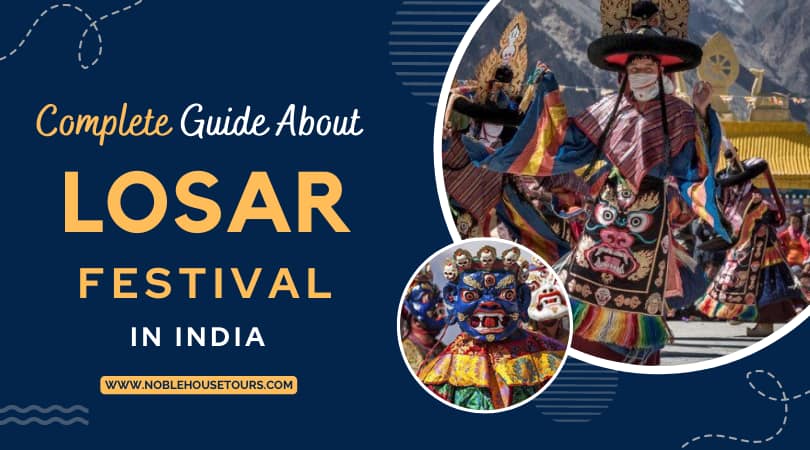
The Losar Festival holds great significance in the Tibetan calendar as one of the most important celebrations. The festival is set to start this year on March 3 and end on March 5, which coincides with the first day of the first month in the Tibetan lunar calendar. Losar festival, a religious occasion, entails ancient ceremonies that symbolize the eternal struggle between good and evil. The Tibetan word “Losar,” where “Lo” stands for year and “Sar” for newness, translates to “New Year.”
In accordance with the Tibetan calendar, the festival begins on the day of a new moon, which also signifies the start of the first month. In Tibetan, this specific day is known as Gyalpo Losar, meaning “King’s New Year.”
During this festive period, Tibetans and their homes radiate an atmosphere of joy and jubilation. It is a time when one can experience the richness of Tibetan cuisine and immerse oneself in the vibrant culture of the region.
Losar festival celebrated in which state?
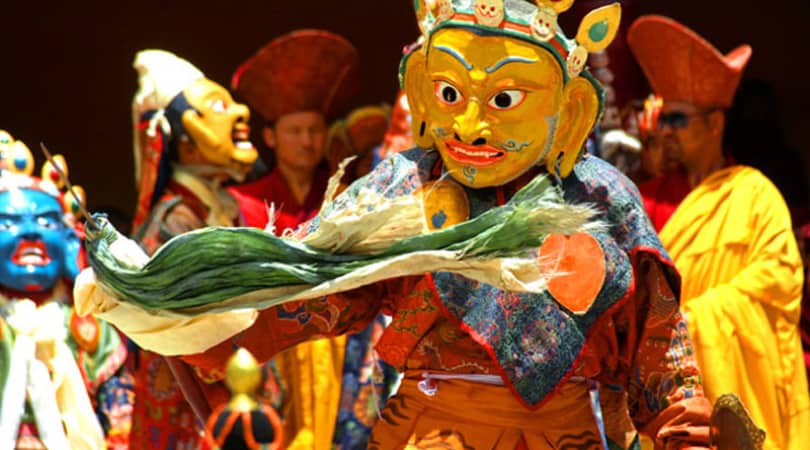
The Losar festival, marking the Buddhist New Year, carries immense importance in India. Regions such as Ladakh, Kinnaur, Spiti, and Sikkim have long been observing this festive celebration for numerous years.
- Losar Festival in Ladakh
Ladakh, renowned for its breathtaking beauty, is an exceptional destination to partake in the beautiful Losar festival Ladakh. As the landscape gleams with the enchantment of winter, Ladakh gears up for the celebrations. Upon arriving in Ladakh, one is greeted with cheerful posters of “Happy Losar” adorning the streets and homes.
Namgyal Monastery takes centre stage as the main venue for the grand Losar festivities. It becomes a hub of lively celebrations, where locals and visitors alike come together to commemorate the occasion.
- Losar festival in Sikkim
The culmination of the harvest season in Sikkim coincides with the conclusion of the tenth month in the Tibetan calendar. Festivities commence with a time-honoured tradition of purifying homes through the removal of old belongings and embellishing them with vibrant decorations. The focal point of these celebrations lies in the resonant prayers reverberating through the monasteries of Sikkim as the local community unites in devotion.
- Losar Festival in Arunachal Pradesh
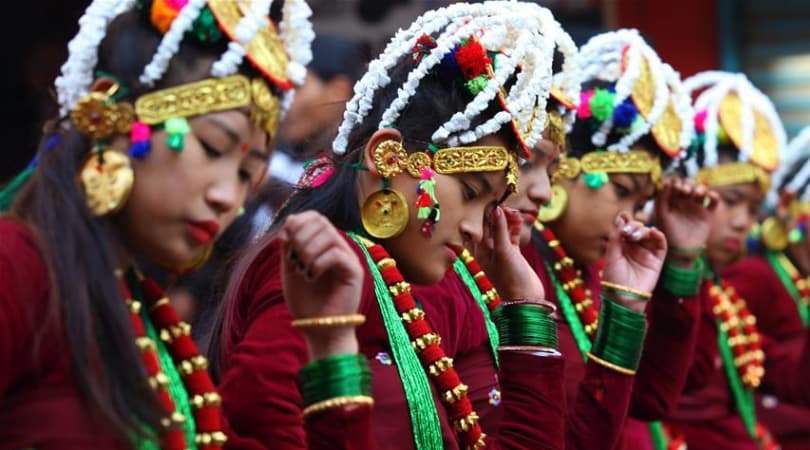
The Monpa tribe in Arunachal Pradesh joyously observes the Losar festival in the picturesque town of Tawang. Spanning three eventful days, this vibrant festival showcases captivating displays of music, folklore, and traditional rituals, creating an unforgettable spectacle. Notably, the fervent celebrations of Losar are not limited to Arunachal Pradesh alone; this exuberant festivity also finds its place in the hearts of people in Nepal, further amplifying its cultural significance.
- Losar festival in Manipur
A beloved event with significant cultural significance is the Losar festival in Manipur. Spanning several days, this vibrant festival is marked by a plethora of traditional rituals and joyous festivities. Both residents and tourists are enthralled by the mesmerizing sounds of the traditional music and dance performances that fill the air. Colourful processions and elaborate decorations adorn the streets, adding to the festive spirit. People come together to offer prayers, seek blessings, and partake in feasts featuring delectable traditional cuisine.
- Losar festival in Shimla
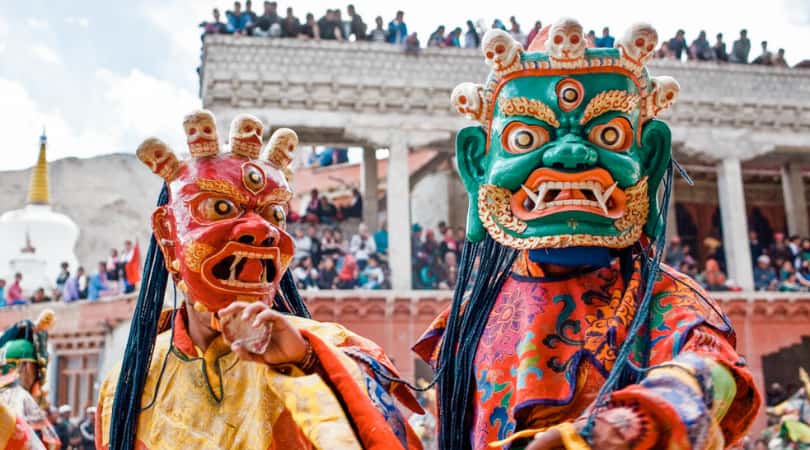
Losar festival celebrated in Shimla, Himachal Pradesh (HP), India, sees the vibrant celebration of the Tibetan New Year. Colourful decorations adorn the streets as the Tibetan community engages in religious rituals, prayers, and Cham dances. Festivities span several days and include feasting on traditional delicacies like momos and thukpa. It is a joyous occasion of unity and merriment, bringing together locals and visitors to embrace the rich cultural heritage of Tibet during the Losar festival in HP.
Embracing the Mystical Traditions of Losar Festival
- Metho Ceremony
Are you ready to ward off malevolent spirits and usher in positivity in the upcoming year? The Metho ceremony, a significant part of the Losar festival, is believed to purify and cleanse the presence of evil spirits. Through sacred chants and the ritualistic touch of a sacred fire, the Metho ceremony aims to rid the town of negativity and create a path for the sacred spirit to flourish.
- Red Envelopes for Kids
During the Losar festival, children are bestowed with red envelopes containing money as a customary practice. This tradition bears a resemblance to the Chinese Spring Festival, where children also receive monetary gifts in red envelopes from their relatives. This gesture serves as a wish for a prosperous year ahead. It is believed that these red envelopes hold a protective influence, shielding the children from malevolent spirits, illness, and harm.
- Guthuk- Special Traditional noodle soup
Preparing Guthuk stands as one of the most exhilarating traditions during the Losar festival. This traditional noodle soup is a delightful variation of a common dish.
Originally known as Thukpa Bhatuk, a Tibetan cuisine featuring petite boat noodles, Guthuk undergoes a transformation on the eve of Losar.
Guthuk boasts a medley of nine ingredients, including ginger, beef, mutton, dried cheese, spinach, beef stock, tomatoes, radish, onions, peas, garlic, and more. Each bowl of Guthuk presents nine dough balls crafted from barley flour. Enclosed within each dough lies a small item, carrying a special meaning to foretell the eater’s fortune for the New Year.
These concealed items may range from raw beans, wool, wood, pebble, chilli, charcoal, folded paper, and various others. Consuming Guthuk on Losar symbolizes the expulsion of the past year’s negativities while embracing positivity for the year to come.
Also Read: Hemis Festival Ladakh