
Hemis National Park: A Complete Guide to Ladakh’s Hidden Gem of Wildlife
Hemis National Park is located in the rugged terrains of Ladakh, where beauty meets the tranquillity of the Great Himalayan ranges. Being a home to the snow leopards and other threatened species, it is located at an altitude of 3,000 to 6,000 meters above sea level. This national park preserves a wide variety of Himalayan wildlife, additionally serving as a tourist destination as well. Thus, this blog is a complete guide to its significance, how travellers can reach there, the activities they can explore, and the best time to visit the park for a convenient and comfortable trip.
History and Significance of Hemis National Park
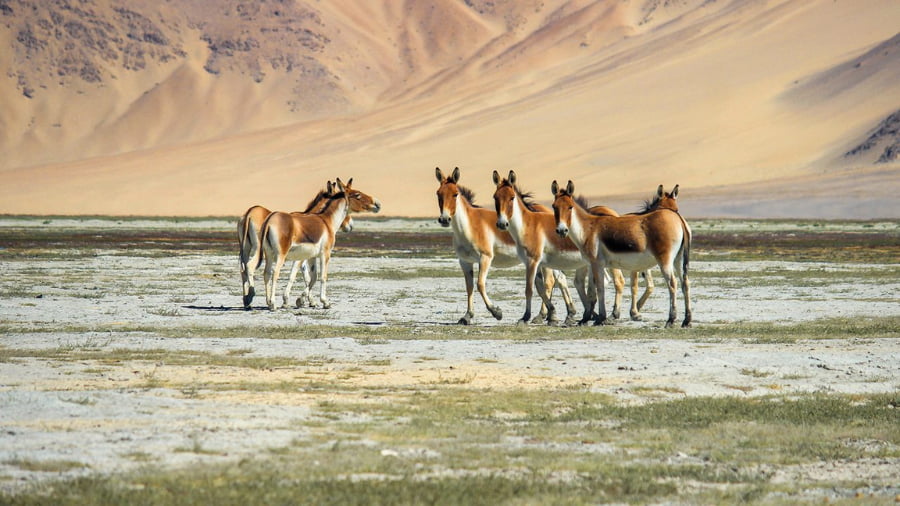
Hemis National Park is located in the Ladakh region of India. It is accessible by road transport as it lies 45 km southeast of Leh. Hemis National Park spans a major part of Ladakh. It is spread across 4,400 sq km, making it the largest national park in South Asia.
Historical Significance: The region was declared a national park in 1981 under the biodiversity plan of the Indian government. It was named after a Buddhist monastery, Hemis Monastery.
Wildlife and Flora Significance: The Hemis National Park is home to a large variety of threatened mammals, including the snow leopard, birds, and floral species.
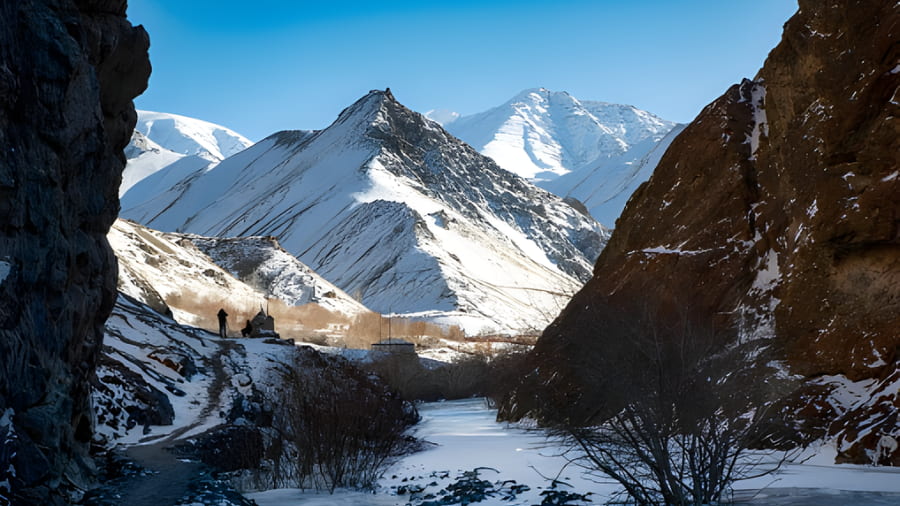
Geographical Significance: Hemis National Park is located in the Zanskar Range. As a major part of the Himalayan range, it features desert valleys, deep gorges, towering peaks and glaciers, offering a stunning landscape for tourism. The park also hosts a famous trek route, the Markha Valley, a retreat for nature photography and adventurous trekking.
How to Reach Hemis National Park
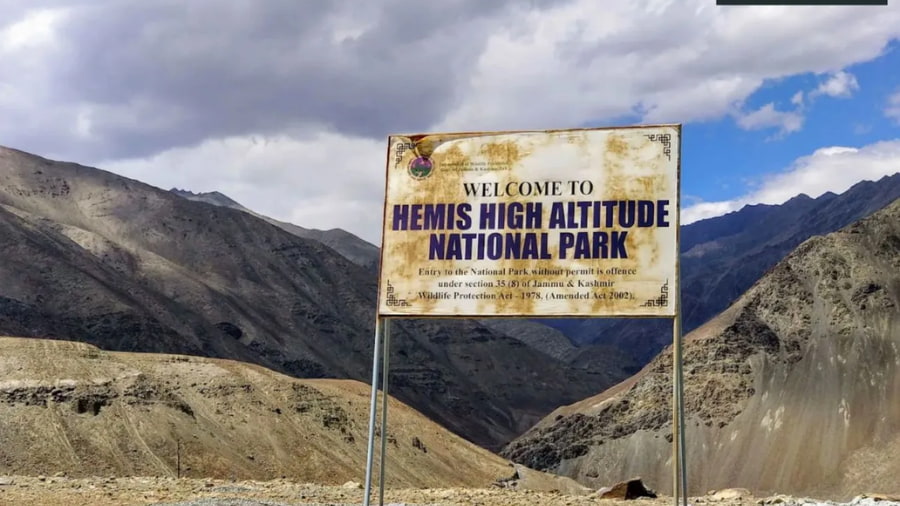
Mainly, there are three modes of transport by which you can reach Hemis National Park.
Whether you prefer a peaceful, full of landscapes offering long road trips, a memorable rail journey or a quick flight, you can reach there conveniently. Here is how to reach Hemis National Park:
By Air: The nearest airport to reach the Hemis National Park is Leh Kushok Bakula Rimpochee Airport. From there, it takes 40 km of driving for the next 1.5 hours.
By Road:
Srinagar-Leh Highway
Path: Delhi to Ambala to Ludhiyana to Jalandhar to Pathankot to Udhampur to Srinagar to Sonmarg to Drass to Kargil and then Leh.
Manali-Leh Highway
Path: Delhi to Chandigarh to Manali to Rohtang Pass to Keylong to Sarchu to Pang to Tanglang to Leh.
By Railways: Nearest railway station is Jammu Tawi, then taxi from Jammu Tawi to Hemis National Park. The distance between the station and the park is 649 km, which will take approximately a 14-hour memorable drive.
Thriving Wildlife and Flora of Hemis National Park
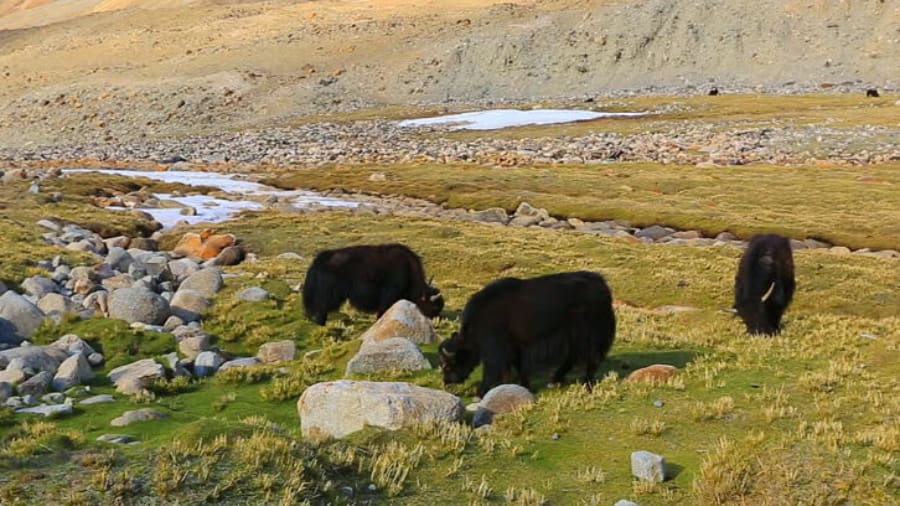
Unlike Kaziranga and Great Himalayan National Park, the Hemis National Park is not a UNESCO World Heritage Site, but it still holds significant importance as a Snow Leopard ecological reserve. Being a wildlife reserve, it shelters:
More Than 73 Bird Species

- Ground Birds: Himalayan Snowcock, Black Redstart, Chukar Partridge, Streaked Rosefinch, Brown Accentor, Tibetan Sandgrouse, Ground Tit, Robin Accentor, Red-billed Chough, Yellow-billed Chough, and Wallcreeper.
- Raptors:
Vultures: Himalayan Griffon Vulture, and Lammergeier or the Bearded Vulture
Eagles and Hawks: Golden Eagle, and Eurasian Sparrowhawk
Falcons, Kestrels and other predator species, including Black Kite, Northern Goshawk, and Upland Buzzard.
- Passerines: Red-fronted Serin, Eurasian Magpie, Black Redstart, Streaked Rosefinch, Tree Pipit, and the most famous Blue Throat.
Diverse Flora of the Hemis National Park
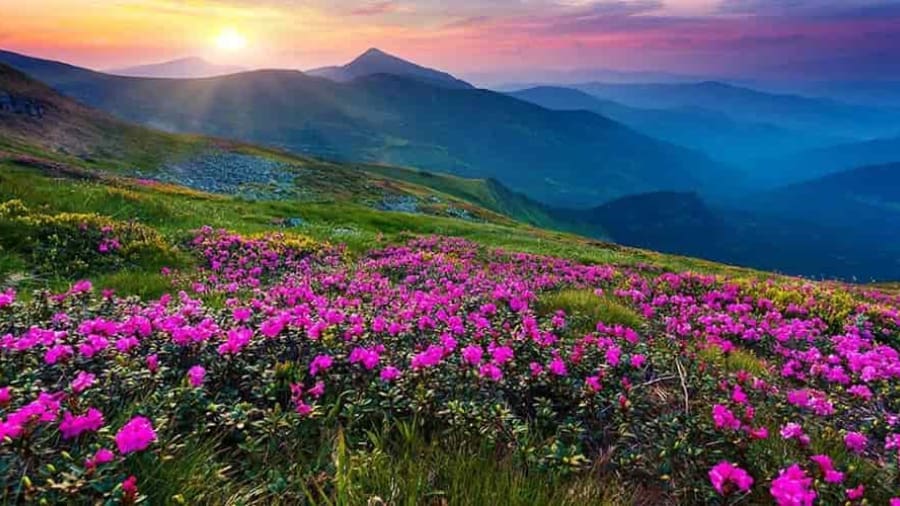
Trees and Shrubs: Juniper, Fir, Dry Birch, Rhododendrons, Willow and Poplar.
Alpine Meadows and Steppes: Veronica, Anemone, Gentiana, Lloydia, Potentilla, Thalictrum, and Delphium.
Desert Species: Caragana, Ephedra and Acantholimon Lycopodioides
Medicinal Plants: Pashanbhed, Wormwood, and Henbane
Activities and Accommodation in the Hemis National Park
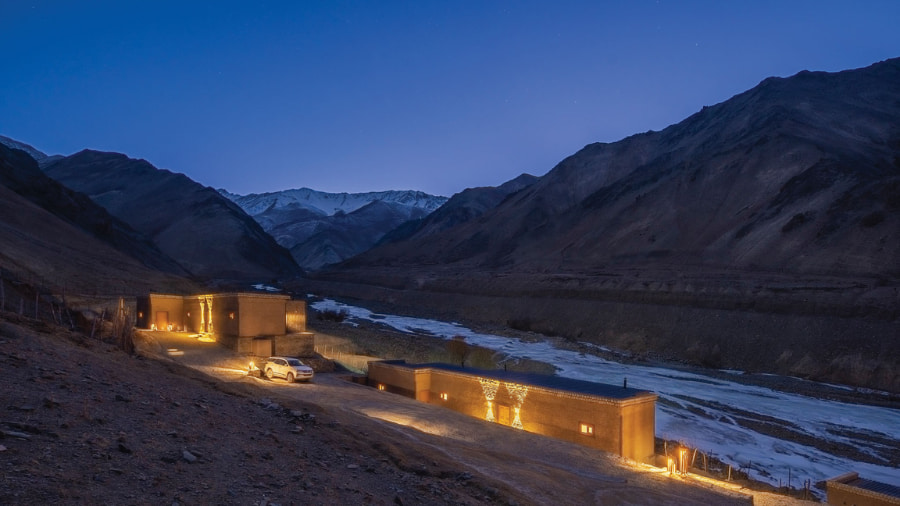
Hemis National Park is located in the tranquil region of Ladakh. The place offers a breathtaking backdrop of Himalayan snow-capped mountain ranges. Apart from the tranquil beauty, here are some of the activities you can enjoy in the park:
1. Snow Leopard Tracking: In the national park, especially around the Rumbak Valley, there are around 200 recorded populations of snow leopards. While you are gazing upon the beauty of the landscape, they might pass by from a distance.
2. Wildlife Photography: One of the most exciting activities to do in the Hemis National Park is nature and wildlife photography. The meadows at the lower altitude and the mountains covered with white snow at the higher altitudes are no less than a haven.
3. Trekking: You can choose Rumbak Valley and other notable options for your adventurous trekking.
4. Cultural Experience: There are several Buddhist monasteries that lie inside the park. Visit them and cultivate spiritual peace for your overall journey.
5. Birdwatching: You can bring your binoculars and cameras to watch a diverse variety of birds inside the park.
Accommodation at Hemi National Park
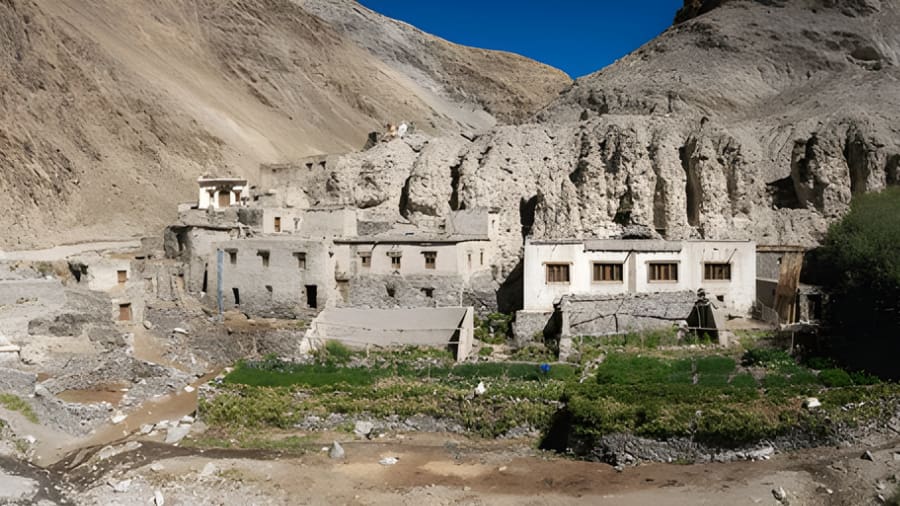
Hemis National Park offers a wide array of accommodation options nearby. They include budget-friendly guesthouses and homestays, lodges, hotels and resorts for a luxurious, more convenient, and utmost comfortable stay.
Guesthouses and Homestays: Nearby villages, including Rumbak and Yurutse, offer affordable and convenient guesthouse facilities.
Lodges: House of Rumbak is one of those places that offer a blend of traditional Tibetan and comfortable living.
Hotel and Resort Options: The Indus Valley, The Grand Dragon Ladakh, Fortune Resorts, and The Driftwood Ladakh are notable choices for tourist stays.
Permit, Entry Fee and Opening Time for the Hemis National Park
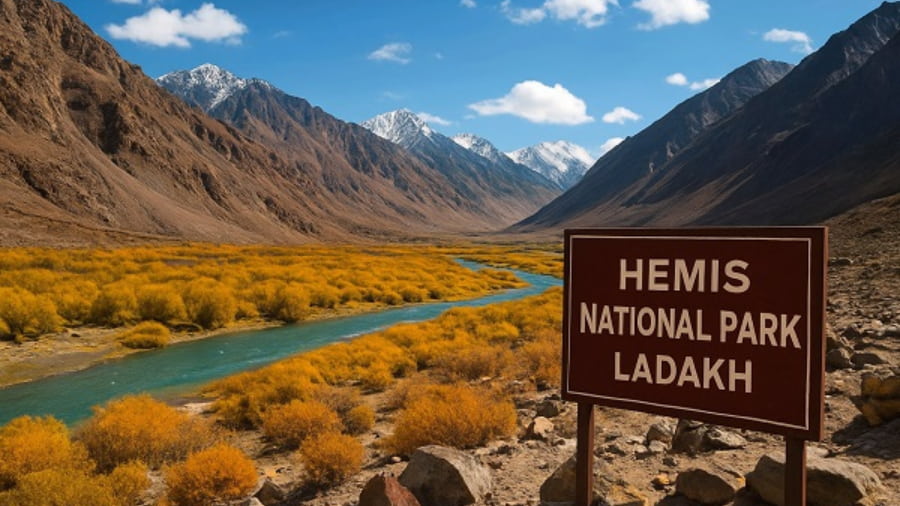
Here is detailed information about the Hemis National Park entry fee and permit:
Special Permits: If you are visiting the national park between November and May, you will need a special permit from the Wildlife Office in Leh.
Protected Area Permits (PAP) or Inner Line Permit (ILP): These permits are needed to access some restricted zones, including the Chadar Trek route and others.
Note: Hemis National Park safari booking can be done online on the official website of Ladakh Tourism.
A breakdown of the Hemis National Park ticket price:
For Indian Nationals: ₹20 per person
For Foreign Travellers: ₹100 per person
Normal Camera Free: An extra ₹20
Video Camera Fee: ₹150
The Hemis National Park opening time is from 9 am to 5 pm.
The Best Time to Visit Hemis National Park
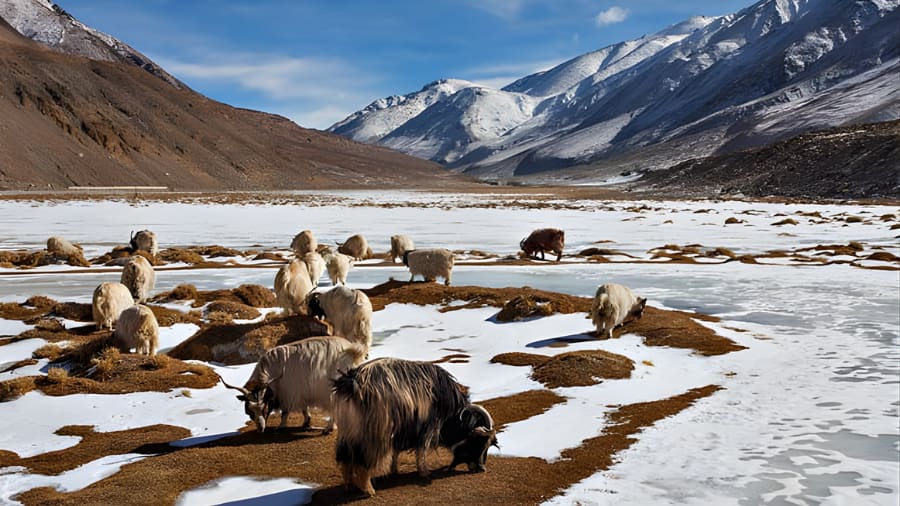
The best time to visit the Hemis National Park lies between May and September, and December to March. During these times, the skies stay clear, and the environment stays pleasant and cold, respectively. Here is the breakdown of the month quarters:
May to September
May to September are ideal months for general tourism and activities. The weather conditions in these months stay pleasant and a bit warm, allowing you to explore the most out of the park.
Ideal for: These months are ideal for hiking, trekking and wildlife and nature photography.
December to March
The winter season is ideal for snow sighting as the landscape looks dreamy. However, the temperature between December and March can go down to -10°C, making the conditions freezing and not favourable for many travellers.
Essential Tips for the Hemis National Park
Here are some of the essential tips that you should be mindful of during your Hemis National Park Tour Package:
- Before you go to the park, make sure that you spend 2 to 3 days in Leh to adjust to the altitude.
- Do not forget to obtain the necessary permits beforehand and book a trusted guide.
- Pack for clothes including gloves, jackets, thermals, extra pants, warm jackets and a pair of mountain or trekking shoes.
- Carry your binoculars and camera for birdwatching and to capture moments.
- Essential items like reusable and extra water bottles, toilet bags, first-aid, sunscreen and sunglasses cannot be left at home.
- While you are inside the sanctuary, be mindful of not interrupting the wild animals and especially their routes. Respect their space.
- Consider booking a guide as there are wild animals nearby, and you would not notice them. The professional guide will help you stay a safe distance from them.
- Because you are going to such a high altitude, do not eat raw snow and keep yourself hydrated.
Conclusion

Nestled in the backdrop of the Himalayan ranges, Hemis National Park is a haven for nature lovers and travellers. Being an ecological reserve for the Himalayan White Leopards, this place offers an extraordinary experience to its tourists. This blog serves as an ultimate guide for travellers who are looking for how to reach the Hemis National Park, where to stay and what activities to do, with the best time to visit.
Noble House Tours Pvt. Ltd. is a reputable tour operator in India. We provide expert and guided tours to India’s notable destinations, including the Hemis National Park Tour Package. Our comprehensive services assure you the best accommodation options and other travelling arrangements, including conveyance. Therefore, you can reach out to us and get your personalised and hassle-free tour services to the Hemis National Park.
