
Discovering the Hidden Gems of Ajanta and Ellora Caves
Ajanta and Ellora Caves in Maharashtra are famous for their ancient paintings, beautiful sculptures, and rock-cut architecture. These UNESCO World Heritage Sites offer a closer look at India’s rich history, its Buddhist, Hindu, and Jain traditions, and the skill of ancient craftsmen. October to March is considered the best time to visit, as the cooler weather makes sightseeing more comfortable.
Maharashtra is home to many beautiful places, but some of its most special attractions are hidden inside hills and rocks. The Ajanta and Ellora Caves are two such places that take visitors back to ancient times. These caves are known for their beautiful paintings, large stone sculptures, temples, and detailed carvings.
Visitors can explore different caves, admire the artwork on their walls, and learn about the people who built these amazing structures. Each corner has something interesting to discover, which makes a visit to Ajanta Caves and Ellora Caves a special experience for history and art lovers.
History of Ajanta and Ellora Caves
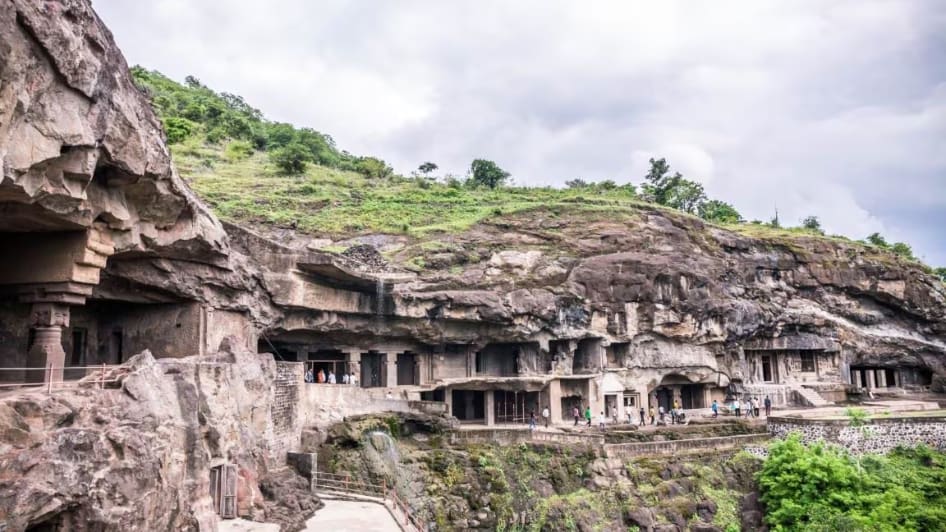
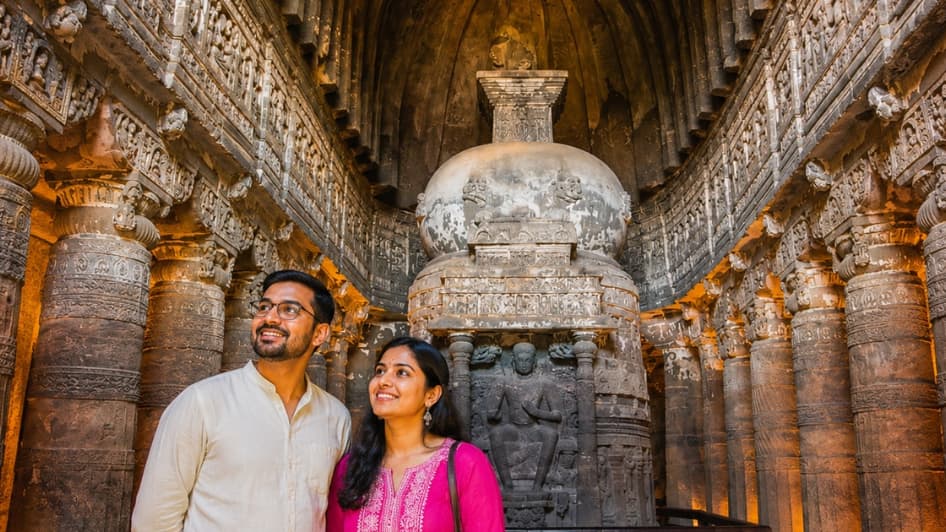
The Ajanta Caves were built many years ago, between the 2nd century BCE and around the 6th century CE. These caves were mainly used by Buddhist monks for prayer, study, and living. These contain beautiful paintings, sculptures, and carvings that show stories from the life of Buddha and his previous births. The caves also show how people lived, dressed, and followed their traditions in ancient times. The Ajanta Caves paintings are especially famous for their colours, details, and stories.
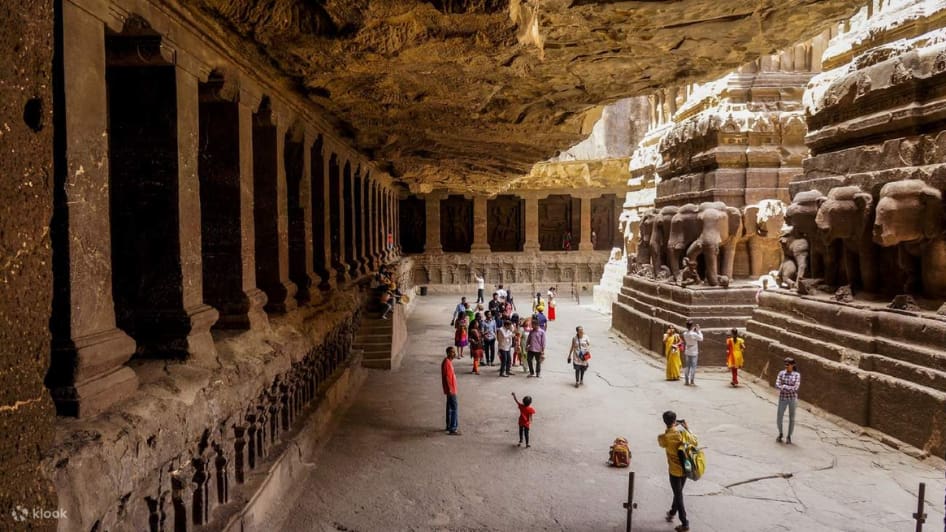
The Ellora Caves were built between the 6th and 10th centuries CE. Unlike Ajanta, these caves were created for three different religions: Buddhism, Hinduism and Jainism. They have prayer halls, temples, large statues, and detailed stone carvings. The famous Kailasa Temple is one of the biggest attractions here and was carved from a single rock. The Ellora Caves history shows how people from different religious groups shared the same region and created beautiful places of worship. These caves are a wonderful example of ancient Indian art and building skills.
Exploring the Hidden Gems of Ajanta Caves
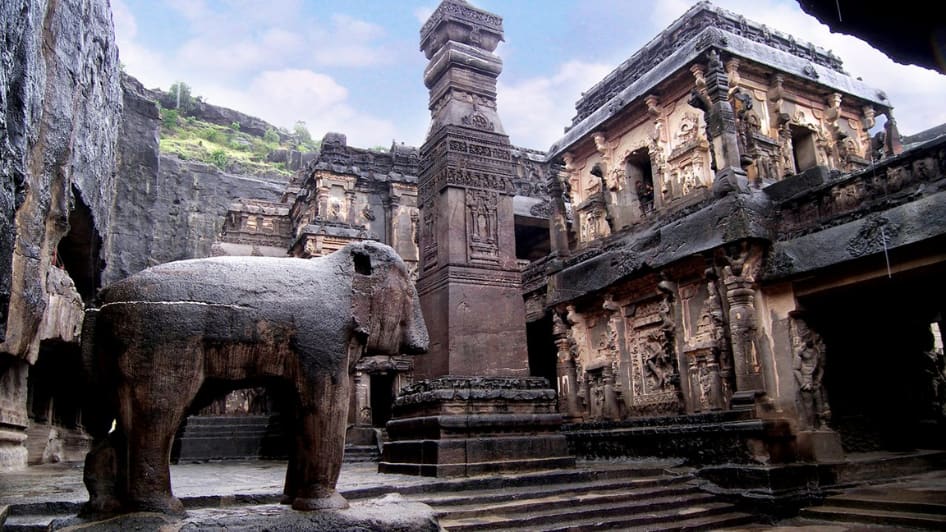
The Ajanta Caves have many beautiful places and artworks that make every visit special. Apart from their history, visitors can explore ancient paintings, detailed designs, and lovely natural views. Here are some interesting spots worth exploring.
- Beautiful Ancient Paintings: One of the biggest attractions of Ajanta is its old wall and ceiling paintings. The Ajanta Caves paintings show stories from the life of Buddha and the Jataka tales, which tell about his previous births. These paintings also show kings, queens, animals, flowers, and daily life in ancient times. Their colours and fine details make them special even after so many years.
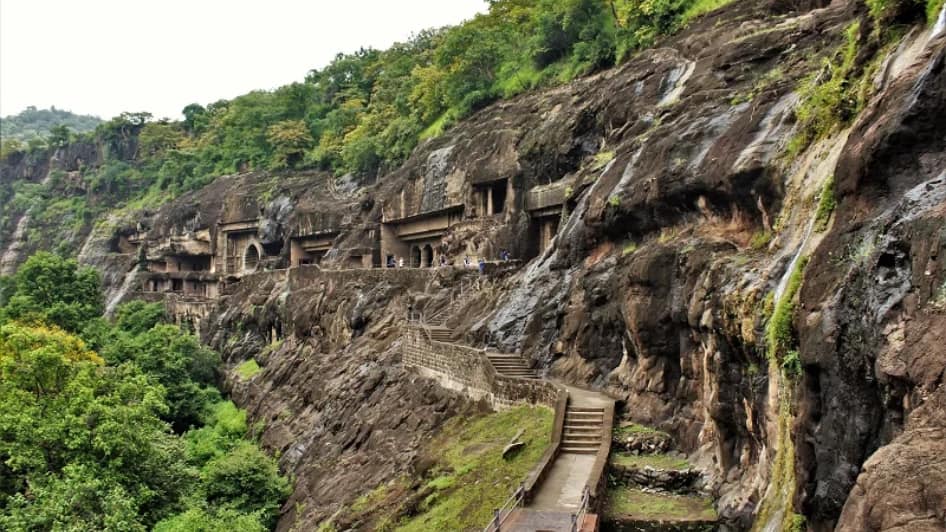
- Ajanta Viewpoint: The Ajanta viewpoint is a great place to enjoy the beauty of the entire cave area. From here, visitors can see the caves built along a curved hillside. The green hills and deep valley make the view even more beautiful. It is also a good spot to take pictures and enjoy the peaceful surroundings.
- Cave 1 and Cave 2: Cave 1 is famous for its beautiful paintings of Bodhisattva Padmapani and Vajrapani. These figures are known for their detailed faces and beautiful designs. Cave 2 is special for its decorated ceilings, colourful patterns, and carved pillars. Its walls also have paintings of women, children, and religious stories.
- Cave 16 and Cave 17: Cave 16 has a large prayer area and beautiful carvings near its entrance. Cave 17 is known for its many well-preserved paintings that show royal life, animals, and stories from Buddhist traditions. Both caves help visitors understand the Ajanta Ellora Caves history in a simple way.
- Waghora River Valley: The Waghora River flows through the valley below the caves. The surrounding hills, natural greenery, and quiet atmosphere make this area a lovely place to enjoy nature. Visitors can also admire the curved shape of the valley and see how the caves blend with the natural surroundings.
Discovering the Hidden Gems of Ellora Caves
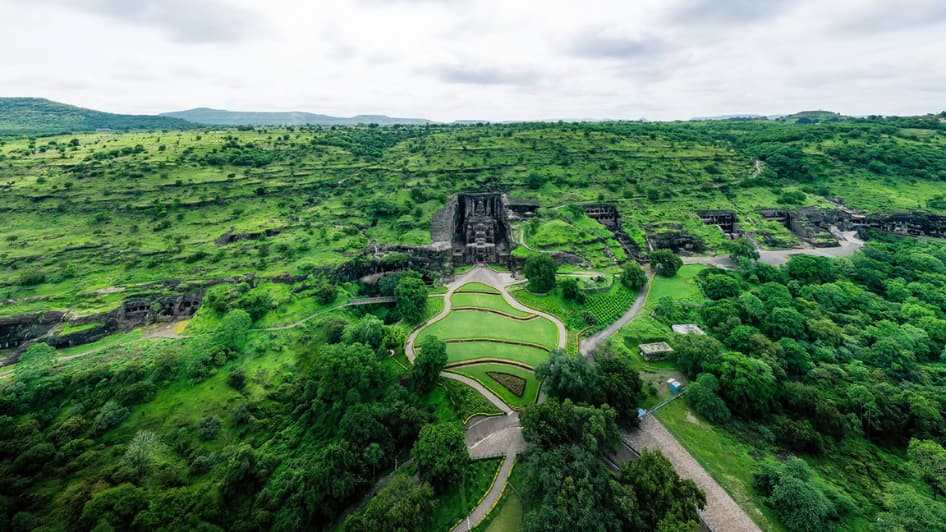
The Ellora Caves are full of beautiful temples, prayer halls, and stone carvings. Each cave has something different to offer, giving visitors a chance to explore the art and beliefs of ancient times. Here are some interesting places to discover.
- Kailasa Temple: The Kailasa Temple is one of the biggest attractions at Ellora. It was carved from a single large rock and took many years to complete. The temple has beautiful pillars, large statues, detailed carvings, and a huge open courtyard. This famous Ellora Caves temple shows the amazing skills of ancient craftsmen.
- Buddhist Caves: The Buddhist caves have prayer halls, living spaces, and large Buddha statues. These places were once used by Buddhist monks for prayer, learning, and daily activities. Visitors can also see simple rooms where monks stayed and spent time studying.
- Jain Caves: The Jain caves are known for their fine carvings and beautiful designs. Cave 32, also called Indra Sabha, is one of the most famous Jain caves. It has detailed pillars, statues, and artwork that show Jain beliefs and traditions.
- Cave 10 (Vishvakarma Cave): Cave 10 is also known as the Carpenter’s Cave because its ceiling looks like wooden beams. It has a large prayer hall with a huge Buddha statue at the back. Its simple yet beautiful design makes it special.
- Beautiful Stone Sculptures: The caves have many stone carvings of gods, animals, and scenes from old stories. Visitors exploring the site through Ajanta Ellora Caves tour package options can also enjoy these artworks while learning about Ellora Caves history and ancient Indian traditions.
Other Interesting Places to Visit Near Ajanta and Ellora
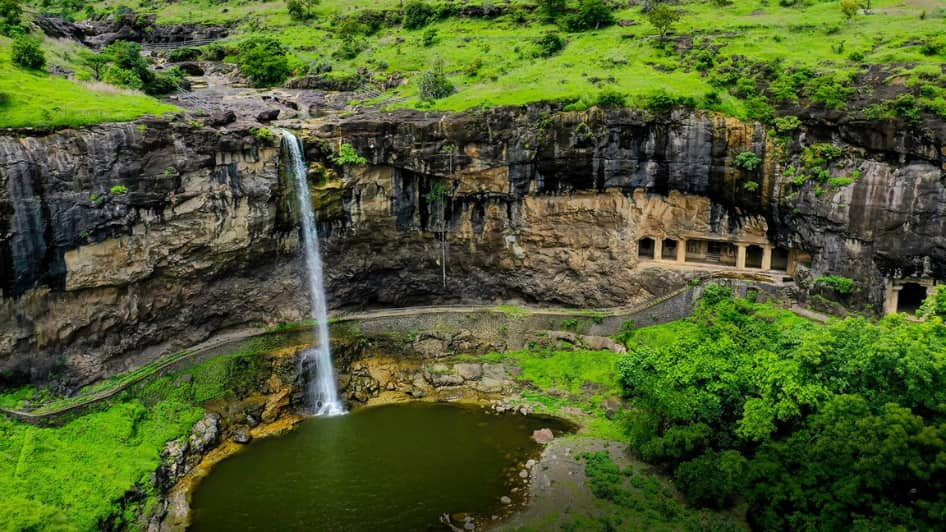
Apart from exploring the caves, visitors can also visit many other beautiful places nearby. These attractions offer a chance to learn more about the history, culture, and religious traditions of Maharashtra.
- Bibi Ka Maqbara: Bibi Ka Maqbara is a beautiful old monument in Chhatrapati Sambhajinagar. It is famous for its Mughal-style design, large dome, tall towers, and green gardens. Many people also call it the Mini Taj Mahal because it looks similar to the Taj Mahal.
- Aurangabad Caves: The Aurangabad Caves are another group of old Buddhist caves near the city. They have beautiful stone carvings, Buddha statues, and prayer halls. Visitors who enjoy history and ancient art will find this place interesting.
- Khuldabad: Khuldabad is a small town known for its old tombs, religious places, and rich history. It is also home to the tomb of Mughal emperor Aurangzeb. Visitors can explore its old buildings and learn about the town’s past.
- Grishneshwar Temple: Grishneshwar Temple is a famous temple dedicated to Lord Shiva. It is one of the 12 Jyotirlingas in India and is located near Ellora Caves. Many visitors come here to pray and enjoy the peaceful surroundings.
These places are also worth adding to your Ajanta Caves tour packages or travel plans. Exploring them along with the caves gives visitors a better look at the region’s history and culture.
Best Time to Visit Ajanta and Ellora Caves
The weather plays an important role when planning a trip to Ajanta and Ellora Caves. Here is a simple look at what each season is like.
| Season | Months | Travel Experience |
|---|---|---|
| Winter | October to February | Cool and pleasant weather makes it the best time to explore the caves. |
| Summer | March to June | The weather gets hot, so walking around the caves may feel tiring. |
| Monsoon | July to September | The hills look green and beautiful, but rainfall may affect travel plans. |
October to February is usually the most comfortable time for sightseeing. Visitors should also check the weather forecast and cave opening details before planning their trip.
How to Reach Ajanta and Ellora Caves
Visitors can reach both cave sites by air, train, or road. Chhatrapati Sambhajinagar is a convenient starting point for exploring these historical attractions. Before travelling, visitors should also check the latest Ajanta Caves tickets and entry details to plan their visit smoothly.
| Mode of Transport | Route or Station | Travel Details |
|---|---|---|
| By Air | Chhatrapati Sambhajinagar Airport | The airport is around 100 km from Ajanta and 36 km from Ellora. |
| By Train | Jalgaon and Chhatrapati Sambhajinagar Railway Stations | Jalgaon is convenient for Ajanta, while Chhatrapati Sambhajinagar is suitable for Ellora. |
| By Road | NH 52 and NH 753F | Buses and taxis are available from Chhatrapati Sambhajinagar, Jalgaon, and nearby cities. |
Travel Tips for Exploring Ajanta and Ellora Caves
A few simple things can make your trip easier and more comfortable. Keep these tips in mind before visiting the caves.
- Wear comfortable clothes and shoes because you will need to walk a lot.
- Carry drinking water, sunscreen, sunglasses, and a hat to stay safe from the sun.
- Hire a local guide who can explain the history of the caves in simple words.
- Keep enough time to visit both places without rushing.
- Check Ajanta Caves timings and Ellora caves timings before leaving.
- Check Ellora Caves tickets and entry details in advance.
- Follow the photography rules and do not touch old paintings, statues, or carvings. These are very old and need to be protected.
Conclusion
Ajanta and Ellora Caves are wonderful places to explore if you enjoy history, art, and beautiful old buildings. You can see amazing paintings, large stone statues, temples, and many interesting carvings here. Both places have something special to offer and give you a chance to learn more about India’s past. A visit to these caves will surely make your trip memorable.
If you want help arranging your trip, you can reach out to Noble House Tours Pvt. Ltd. We make planning your trip easier with helpful travel services and budget-friendly tour packages. Our team provides support during your journey and helps you with travel arrangements, sightseeing, and local guide support. Moreover, we also help you choose a package that suits your budget and needs, so you can enjoy your visit without worrying too much about the planning.
