
What Makes Ajanta and Ellora Caves an Architectural Gem?
Ajanta and Ellora are considered architectural gems due to the art of ancient rock-cut engineering. Featuring 34 monastic temples at Ellora and 29 Buddhist caves at Ajanta, they were sculpted from volcanic basalt cliffs from 200 BCE to 1000 CE. They are mainly renowned for the Kailasa Temple (Cave 16) at Ellora and intricate historic murals of Ajanta.
Ajanta and Ellora Caves are two of the most prestigious UNESCO World Heritage sites of India. Being significant historical sites, these caves are an epitome of Indian art, culture, and masterful engineering. Featuring intricate art in the form of motifs, murals, and decorative ornamentations, they showcase a past when philosophy flourished to its peak. Here, we discuss the things that make Ajanta Ellora an architectural gem, while exploring a little about their history and art features.
Who Built Ajanta and Ellora Caves: A Brief History?
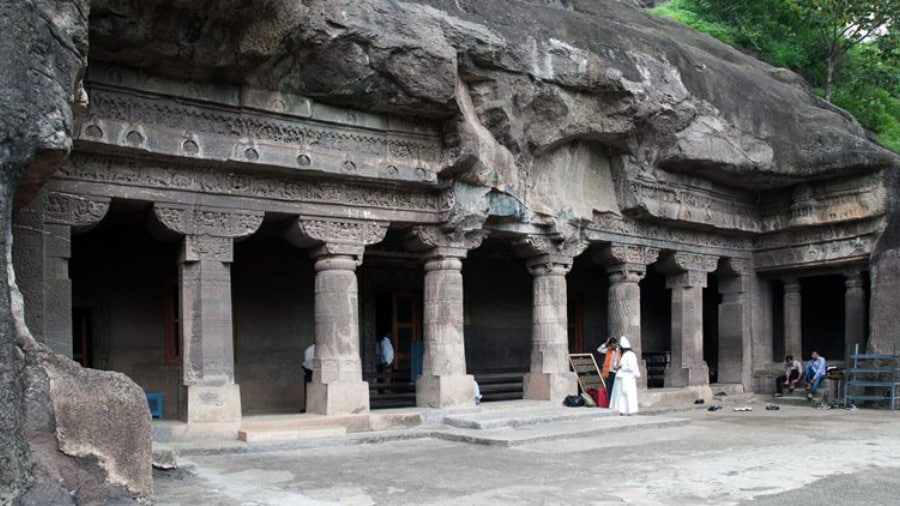
The Ajanta and Ellora caves together represent a rich cultural and architectural history that stretches back roughly 2,000 years in the past. From ancient times to around the 10th century CE, they showcase the legacy of artistic and architectural brilliance of India.
They are rock-cut ancient structures that were intricately sculpted from basalt cliffs in Maharashtra, reflecting exceptional craftsmanship. About who built Ajanta and Ellora caves, the credit is attributed to the highly talented artisans and craftsmen, belonging to different dynasties.
- History of Ajanta Caves
The 29 to 30 rock-cut caves were constructed in two phases. Here is an overview:
- The Early Phase
- The early phase is also known as the Satavahana Period, from the 2nd century. BCE to 1st c. CE.
- The early phase of the Ajanta caves was constructed by the Satavahana Dynasty.
- The caves built during this period showcase the Hinayana Buddhism philosophy.
- They mainly feature chaityas (prayer halls) and viharas (monasteries).
- The Later Phase
- The latter phase was built during the famous Gupta period, under the Vakataka dynasty.
- The major influence on the construction of the caves came from King Harishena.
- Caves during this time are mainly known for depicting Mahayana Buddhism philosophy.
- They feature elaborate paintings and sculptures of Buddha and Bodhisattvas.
- These caves were used as a retreat during the monsoon, acting as schools, meditation halls, and monasteries.
- History of Ellora Caves
Ellora Caves feature 34 caves with temples and sculptures from Buddhism, Hinduism, and Jainism, reflecting strong cultural and philosophical harmony. They were constructed in three phases, including:
- Buddhist Caves (Caves 1 to 12): They were built around 600 to 800 CE.
- Hindu Caves (Caves 13 to 29): Built during the Rashtrakuta dynasty period, from 753 to 982 AD, and feature the well-known Kailasa temple, commissioned by King Krishna I.
- Jain Caves (Caves 30 to 34): Based on Jain philosophy, and was built during the 9th and 10th centuries, under the Yadava dynasty and the Rashtrakutas.
The Ajanta Ellora caves history consists of thousands of years of legacy, artistic heritage that was hidden for a long time, until a British officer in 1819 rediscovered them, and it was disclosed to the whole world.
What Things Make Ajanta and Ellora Caves an Architectural Gem?
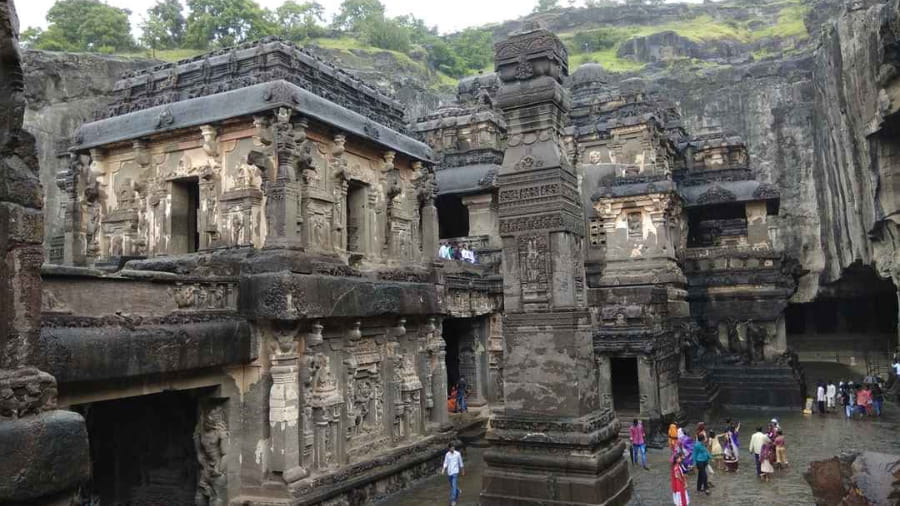
The Ajanta and Ellora caves are unique, fascinating, and the finest pieces of architecture. They are artistic marvels of intricate sculpting that sculptors created on a blank canvas of history, and left for us to admire their beauty and understand the meaning hidden behind.
Apart from admiration, they comprise some of the most unique features that make them an architectural gem, and travelers never miss exploring them in their Ajanta Ellora Caves tour package. Here are those things:
- Monolithic Engineering
The Ellora caves are directly carved into a 2 km-long basalt cliff. With the Cave 16 or the Kailasa Temple, they are hand-carved with nearly impossible precision, which shocks architects of today’s world.
- Intersection of Faiths
The Ellora caves serve as a prime example of the religious harmony of India. While featuring structures from three different yet similar faiths, they complement each other. This is the reason why Ellora and Ajanta Caves tour packages are booked extensively from across the nations and the world.
- Intricate Rock-Cut Artistry
The Ajanta and Ellora caves, both of hem features some of the major intricate sculptures and artworks. Some of the Ajanta rock-cut sculptures include:
- Seated Buddha
- Reclining Buddha
- Bodhisattva Padmapani
- Bodhisattva Vajrapani
Some of the Ellora rock-cut sculptures include:
- Goddess Tara
- Shiva as Nataraja
- Ravana shaking Mount Kailasa
- Tirthankaras
- Yaksha and Yakshi figures
- Themed Murals and Frescoes
Ajanta and Ellora caves feature detailed murals and frescoes from legends, beliefs, and stories. These artworks range from abstract to realistic, featuring vibrant colours and unique Ajanta and Ellora Caves drawing styles. Some of the include:
- Jayaka Tales, Padmapani, and Vajrapani in Ajanta Caves.
- Vivid portrayals of deities and stories from Buddhism, Hinduism, and Jainism.
- Uninterrupted Timeline
The Ajanta Ellora caves history documents the evolution of Indian art and architecture from the 2nd century BCE to the 10th century CE. Although they were developed in different phases and periods, they show how the artistic culture was flourishing in India.
- Integration of Artistic Disciplines
Another feature that makes the Ajanta Ellora caves an architectural gem of India is the extensive integration of major artistic disciplines. Their creators have effortlessly merged architecture, painting, and sculpting within detailed and intricate structures.
What are the Costs of Ajanta Ellora Cave Tickets?

Here is the Ajanta Ellora Caves tickets price:
- For India, SAARC, and BIMSTEC citizens: ₹40 per person
- For Foreign Tourists: ₹600 per person
- For Children: Free for kids below 15
- Video Camera Fee: ₹25
Note: If you want to book Ajanta Ellora Caves tickets online, you can book them directly from the Archaeological Survey of India (ASI) official website or from Noble House Tours Pvt. Ltd..
What are the Timings of the Ajanta Ellora Caves?
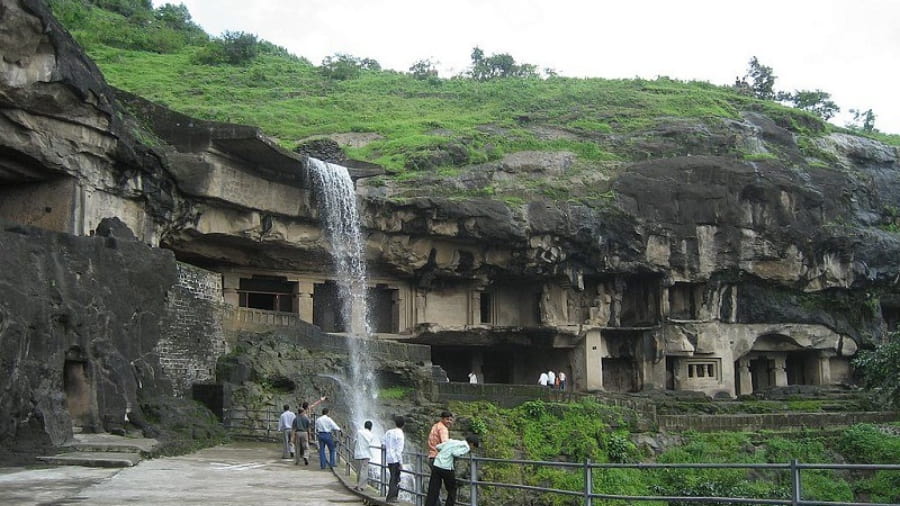
The Ajanta Ellora Caves timings differ as they are different structures with different cultural significance, and are approximately 100 km away from each other. Here are the timings for both:
Ajanta Caves
- Timings: 9:00 AM to 5:00 PM
- Closed On: Mondays
- Best Time to Visit: November to March
Ellora Caves
- Timings: Sunrise to Sunset
- Closed On: Tuesdays
- Best Time to Visit: November to March
When to Travel to Ajanta and Ellora Caves?
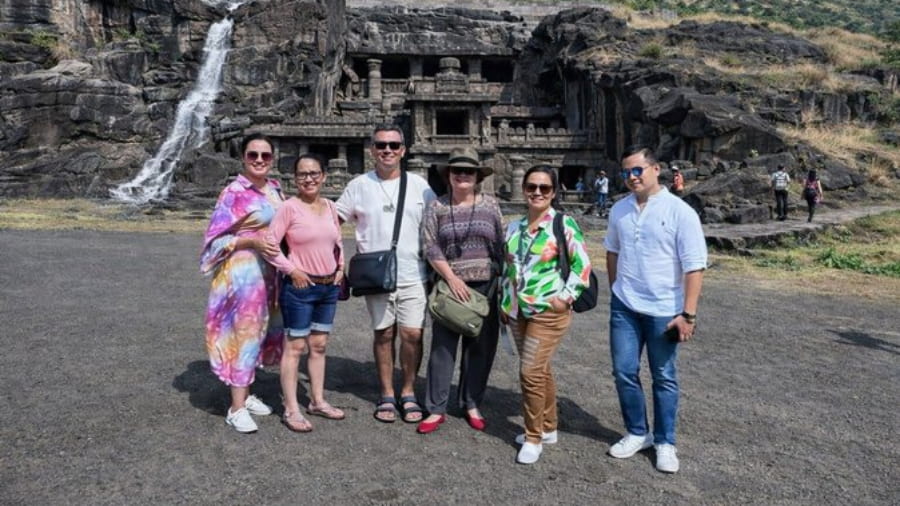
The seasons in which you may consider your Ajanta Ellora Caves tour package include:
- November to February: Season of winter, when the weather is a little warm with cold winds, but pleasant to explore both caves.
- February to March: End of winter and arrival of summer season. The weather during this season stays pleasant enough for outings and Ajanta Ellora exploration. Also, consider visiting one site at a time, either in the morning or evening, to explore with fewer crowds.
- July to September: Another season, dedicated to the monsoon season, offering an intense experience of the sites with scenic views and lush landscapes.
Note: Do not visit the Ajanta and Ellora Caves during the summer season, due to temperatures reaching 40°C or 104°C during the day.
Conclusion
The Ajanta and Ellora Caves are ancient architectural marvels of India. And what makes them marvelous is their ancient history showcasing the country’s rich artistic heritage in the form of monolithic structures, chityas and virahas, shrines, sanctums, and colonnades. Here, we discuss the true essence of these two UNESCO World Heritage Sites, covering what makes them so significant in Buddhist, Hindu, and Jain philosophy.
